



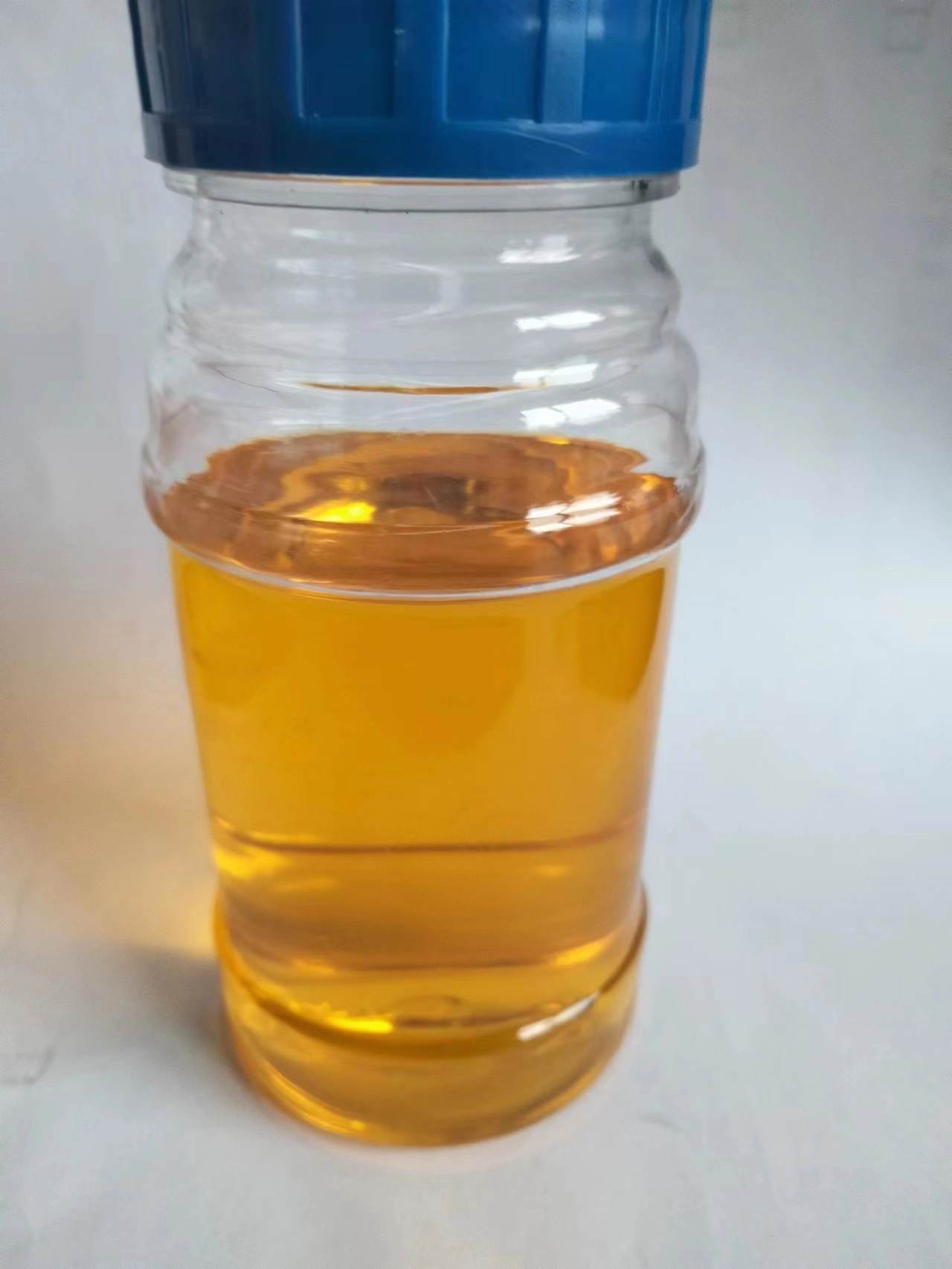
Featured with high performance, propanil 360g/l ec, China, manufacturers, suppliers, factory, buy, wholesale, price, wholesaler, agriculture pesticide, agro chemicals, organic pesticide, agrochemicals pesticides, agricultural bio product, biological agricultural chemicals has a high practical value.
Product Description
Propanil 360g/L EC is an amide herbicide with white acicular crystal. It is insoluble in water, but soluble in methanol, ethanol, acetone, benzene, ether, etc. Propanil is mainly used to control weeds in paddy fields. Due to the rapid decomposition of propanil into non-toxic substances by hydrolase in rice, the degradation ability of rice to propanil is 20 times greater than that of barnyard grass, so it is safe for rice.
| Item | Details |
|---|---|
| Active / Content | Propanil 360 g/L |
| Formulation | EC (Emulsifiable Concentrate) |
| Group / MOA | PSII inhibitor — WSSA/HRAC Group 7 (C2) |
| Crop / Use | Rice, post-emergence foliar applications (where registered) |
| Target Weeds | Barnyardgrass (Echinochloa spp.) and other label-listed annuals |
| Selectivity | Rice selectivity via AAA metabolic detoxification |
| Docs / OEM | COA / MSDS (SDS) / TDS; private-label and multilingual artwork |
Product Features
It is a herbicide by touch, and the agent works only at the point of contact. Its action mechanism is various, not only destroys the plant photosynthesis, but also inhibits respiration and oxygen phosphorylation, interferes nucleic acid and protein synthesis and so on. Thus the physiological functions of sensitive plants are affected, accelerating water loss, leaf drying gradually, and finally die. Propanil 360g/L EC is a special medicine to prevent barnyard grass, and can also be used to prevent other kinds of grass and dicotyledon weeds, such as duck tongue grass, water cress, Horse tang, dog tail grass, etc.
Mode of Action (Keep it precise)
Propanil inhibits photosystem II electron transport at the QB/D1 site, stopping photophosphorylation and driving rapid desiccation of susceptible foliage. Activity is contact-driven with minimal translocation; uniform spray coverage is critical. Rice tolerance is primarily due to aryl acylamidase—the crop rapidly hydrolyzes propanil, whereas key weeds like barnyardgrass do not. For stewardship, integrate with non-Group 7 options across the season where labels allow.
Target Weeds (label-dependent)
Focus on barnyardgrass (Echinochloa spp.) and other annual broadleaf and grassy weeds listed on local labels. Control is strongest on small, actively growing weeds with good leaf coverage and adequate spray volumes. Always confirm the target list and growth-stage limits on the destination-market label.
Use Areas
For paddy rice systems (flooded or irrigated) where registered. Use only as permitted on local labels, respecting water-management directions, buffer zones, and any regional restrictions on EC solvents. Do not extrapolate to non-registered crops or dryland systems.
Program & Safety (label-guided only)
-
Application: Follow label-defined timings and growth-stage windows; ensure uniform coverage. Avoid prescriptive rates here—the label prevails.
-
Mixing & compatibility: Conduct a jar test before first-time mixes. Avoid unverified combinations that may antagonize Group 7 performance; never exceed label load or spray volume limits.
-
PPE & handling: EC formulations contain solvents—use label-required PPE, manage ignition sources, prevent off-target drift, and protect water bodies.
-
Stewardship: Rotate with non-Group 7 tools, record field conditions and outcomes, and keep COA/MSDS/TDS on file for audits and customer assurance.
Always follow the product label and local regulations.
Using method:
|
Crops/ |
Insects |
Dosage(g/Ha) |
Using method |
|
Cane fields |
Annual broadleaf weed |
1500-300 |
Dilute with water, and spray |
|
Non-cultivated land |
Weed |
562.5-10005 |
|
|
Cane |
Weed |
1950-2475 |
In the production process, advanced testing equipment is used to test the products to ensure the high performance and consistency of the products.